
How to Make Thick Hair Less Bulky and More Manageable
Thick hair can feel heavy, take forever to wash and dry, and be frustrating to style. But with the right approach, you can make thick hair more manageable without fighting against it. The key is to remove excess bulk and use the right routine to make it easier to handle day to day. In this post, I’ll share the best haircut, styling, and product tips to help make thick hair less bulky and easier to work with.
As a hairstylist, I’ve worked with many clients whose thick hair caused headaches or was difficult to wash properly at home. Over time, I’ve learned which cuts, products, and styling habits actually help. The goal is not to make thick hair look thinner, but to make it feel lighter, softer, and easier to manage.
What Makes Thick Hair Hard to Manage?
When I say thick hair, I’m referring to hair density, or how many hairs you have per square inch. If you’re not sure whether your hair is thick, you can check out my full post on hair density here.
Having thick hair really is a blessing, but it also comes with its own set of challenges. If your hair feels bulky, heavy, hard to wash, or difficult to style, you’re definitely not alone. Below are some of the most common reasons thick hair can be difficult to manage.
- Too much bulk: When thick hair isn’t properly texturized, the shape of the haircut begins to suffer. The roots become weighed down and flat to the head, while the ends widen out.
- Pressure on the scalp: Since thick hair has so many hairs per square inch, this can cause tension headaches. This is especially true when it’s kept long or worn in tight ponytails all day.
- Harder to shampoo thoroughly: Thick hair is more difficult to wash. Multiple shampoos are recommended to ensure it’s thoroughly washed, and extra time rinsing is essential. It’s not uncommon to leave shampoo on the scalp because the water struggles to penetrate the hair thoroughly during rinsing.
- Takes more time to style: Drying and styling hair will take significantly longer with a thick head of hair. It’s also tiring on the arms! The extra effort required to blow-dry thick hair can be overwhelming and a lot to deal with regularly.
The Best Haircuts to Make Thick Hair Less Bulky
The first step to make thick hair more manageable is the haircut. You can use all the right styling products at home, but if the cut is off, your hair is still going to feel bulky and difficult to manage.
What haircut length is best for thick hair?
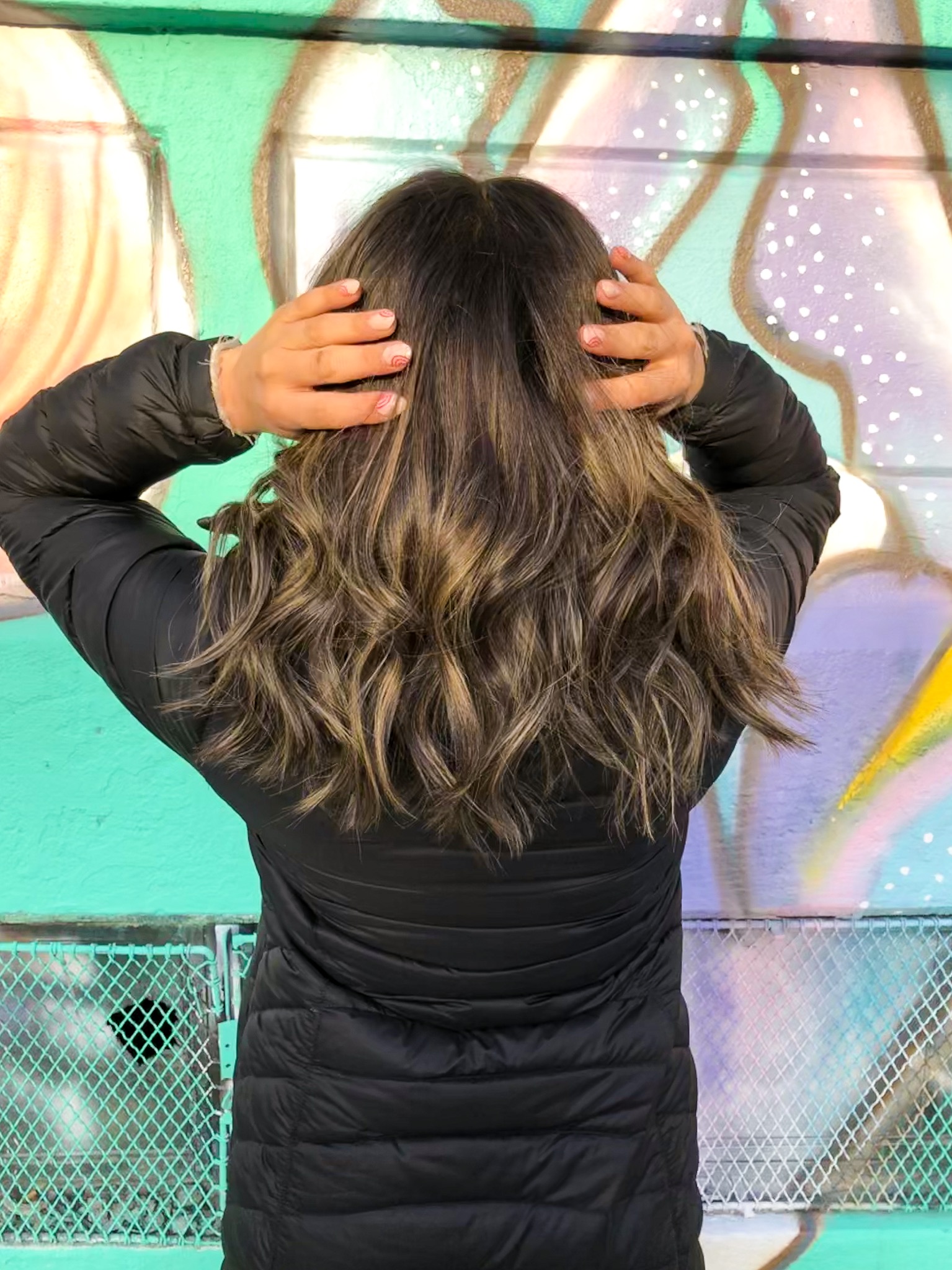
In general, mid-length cuts tend to work really well for thick hair. If the hair gets too long, all of that extra weight can make it lie flat on your head or even give you headaches. And while short haircuts can be wonderful for reducing weight, you usually have to do more daily styling, which isn’t always ideal.
A mid-length cut is often a great balance because it removes some of that weight while still giving the hair enough length to lie nicely without being forced to style it every day.
However, thick hair can get away with a longer length without the drawbacks with the addition of layers and texturizing, which we’ll discuss next.
Are Layers Good for Thick Hair?
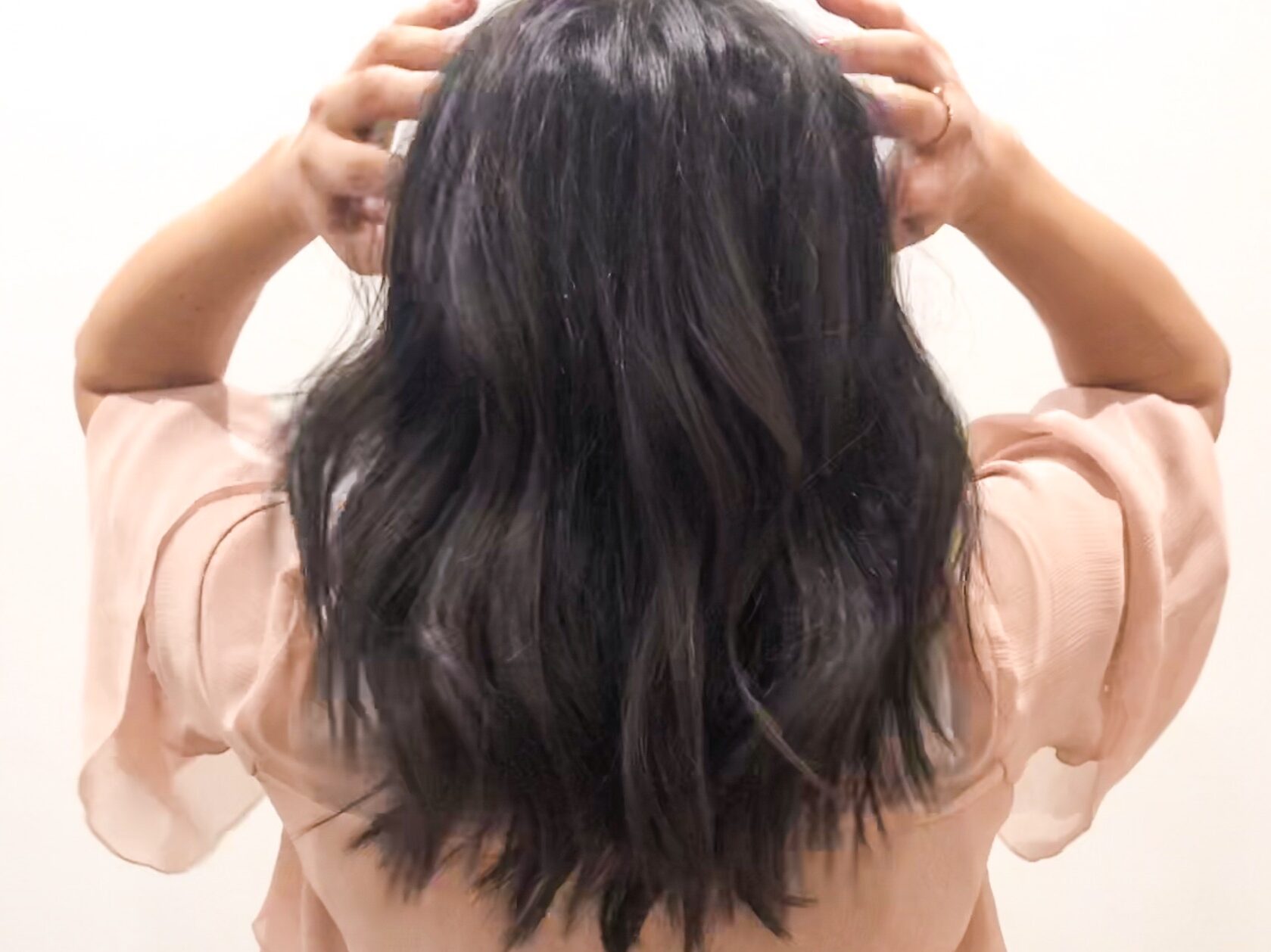
Exterior layers are layers that you can physically see when you look at the haircut. They allow you to wear your hair longer without it becoming as thick on the ends. Layers can be very helpful for removing weight, creating volume, and making thick hair more manageable.
One-length and blunt cuts are better for thin hair types that need thickness on the ends to avoid looking straggly. Non-layered haircuts are what can lead to that triangle look, where the hair stays flat near the root and too wide at the bottom.
If you don’t know the difference between exterior layers and texturizing, which we’ll talk about next, see this post here.
Should Thick Hair Be Thinned or Texturized?
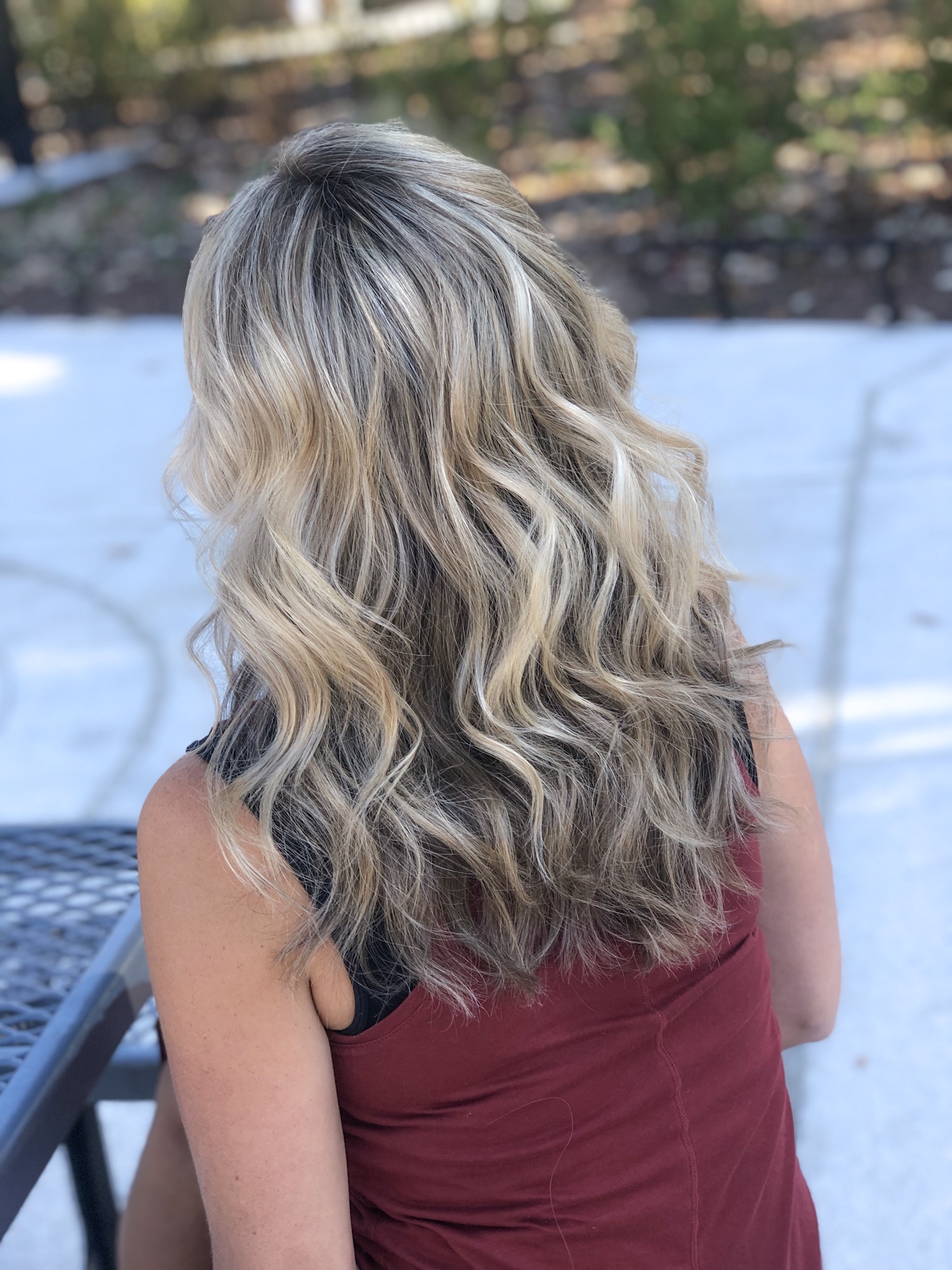
Both thinning and texturizing are extremely helpful interior layering techniques for making thick hair more manageable.
Thinning thick hair is done with special thinning shears, and it removes some of the density throughout the hair. This is especially helpful if you’re getting headaches or having trouble shampooing your scalp.
Texturizing is similar to thinning, except it is done to specific sections, rather than all over. This is done to remove bulk from specific areas (usually the mids and ends) to help shape the haircut. If the ends aren’t texturized, you can end up with the “triangle” look, where your ends are bulky, and the top is flat.
Texturizing can be done with a variety of tools, including regular shears, thinning shears, knotchers, or even razors.
How Often Should You Wash Thick Hair?
Thick hair can go much longer between shampoos than thin hair can. Since hair absorbs oil, having a lot of allows you to go longer between shampoos without your hair looking greasy.
I have some thick-haired clients who wash their hair only once every 2 weeks or so. But most people with thick hair should be able to go at least 4-7 days between washes.
I also recommend using a boar bristle brush to brush the hair and scalp between shampoos. This helps exfoliate the scalp and pulls the oil throughout the hair so it’s not building up at your root.
Home Styling Tips to Make Thick Hair More Manageable
- Shampoo thoroughly: You may need to shampoo 2-3 times to ensure the hair is thoroughly cleaned. And start by adding water before adding more shampoo. It’s usually a lack of water that takes hair longer to emulsify. Take extra care when rinsing to be sure you get all the shampoo out. This is common in the back of the head with thick hair and can cause scalp irritation.
- Blow-dry instead of air-dry: If you attempt to air-dry thick hair, you may end up with sections not fully drying. Allowing moisture to sit on your scalp can create scalp irritation or possible fungus growth. Mildew can also form from going to sleep with wet hair.
- Blow-dry in sections: If you try to blow-dry huge chunks at once, it takes longer and usually ends up frizzier. Rough-dry the roots first to get them at least 50% dry, then take sections the width of your brush. Larger sections will always take longer to dry than smaller sections.
- Use leave-ins to cut drying time: Almost all leave-in conditioners, smoothing serums, and blowout sprays will give you control, reduce your drying time, and protect your hair from the heat of the blow-dryer.
- Layer products lightly: Thick hair does need more product than thin hair. But if you use too much, it can feel heavy or coated, which could cause the need to wash it again sooner. Start with less and add more as needed.
The Best Products for Thick Hair
***Since I’m sharing the products that I love to use with you guys, this page includes affiliate links to these products. If you take action and purchase a product through clicking one of my links, I’ll make some commission money from it at no extra cost to you. This enables me to be able to continue giving you awesome hair tips, so thanks! ***
Below are my absolute favorite products that I recommend for my thick-haired clients.
- Aquage Silkening Shampoo and Conditioner – This shampoo-conditioner combo helps to smooth the hair, reduce frizz, improve manageability, and protect against humidity.
- Aquage Leave-In Silkening Oil Treatment Serum – This serum is used for blow-drying, anti-frizz, anti-humidity, heat protection, and works wonders as a smoothing serum.
- Aquage Beyond Shine Thermal Iron Spray – This thermal spray improves iron performance, protects hair from heat, and increases shine.
- Olaplex 4D Dry Shampoo – This dry shampoo is light enough to use every day. It won’t turn your hair white, and it reduces oil.
- Kenra Dry Conditioning Mist – This is a smoothing spray to be used on dry hair. It will soften coarse hair, tame frizz, add shine, and moisturize dry hair.
Conclusion
To conclude, thick hair can become less bulky and more manageable when you have the right haircut and home care routine.
For most people, that means choosing a cut that removes excess weight, adds shape, and keeps the ends from becoming too heavy. Mid-length cuts tend to work really well for thick hair, especially when layers, thinning, or texturizing are used to remove weight and make the hair easier to style.
It’s also important to care for thick hair properly at home. Washing properly, blow-drying in sections, and using the right styling products can all help make thick hair easier to handle daily.
If you have any further questions for me about managing thick hair, be sure to leave them for me in the comments. And be sure to subscribe if you want to make every day a good hair day!
share item


Comments