

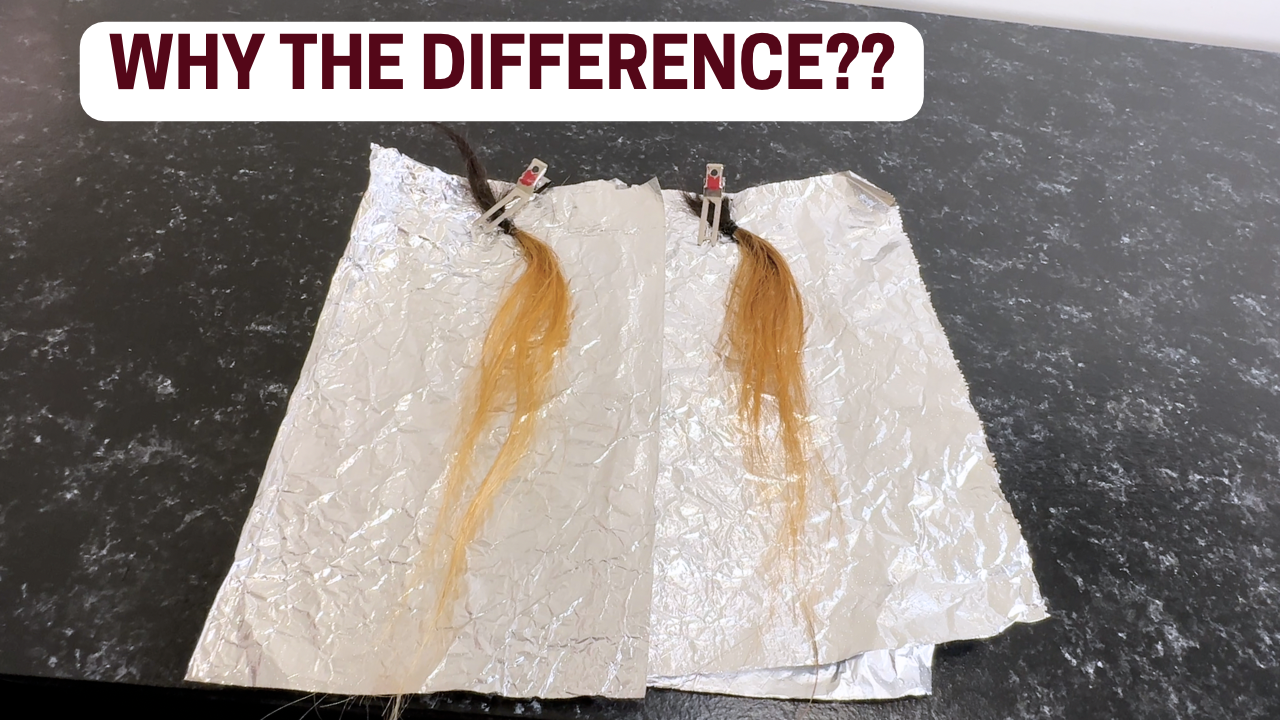
Common Hair Bleaching Mistakes That Lead to Poor Results
Have you ever had highlights that came out beautiful in one session, but the next time they just didn’t come out as well? Or maybe your highlights sometimes come out blotchy and uneven, or your bleach just isn’t lightening your hair as expected. In this post, I’m covering the two most common hair bleaching mistakes, and I’ll also answer some commonly asked troubleshooting questions regarding hair bleach.
As a hairstylist of nearly 20 years, I’ve been able to narrow down most bleaching mishaps to these two specific mistakes. Believe it or not, they’re extremely common even among professional stylists as well. And while these mistakes are most prevalent with bleach, they can definitely affect the way regular hair dye comes out as well.
1. Inconsistent Mixing: Bleach-to-Developer Ratios
The first hair bleaching mistake actually happens before bleach even touches the hair, during mixing.
Three-quarters of the professional stylists I come across don’t properly mix their bleach (or hair dye, for that matter). Instead, they “eyeball” their color. They often do this because they prefer a certain consistency or texture for application, but not measuring the bleach-to-developer ratio out can severely hinder your results.
***Since I’m sharing the hair products that I love to use with you guys, my posts may include affiliate links to these products. If you take action and purchase a product through clicking one of my links, I’ll make some commission money from it at no extra cost to you. This enables me to be able to continue giving you awesome hair tips, so thanks! ***
What happens when you don’t properly measure your bleach and developer?
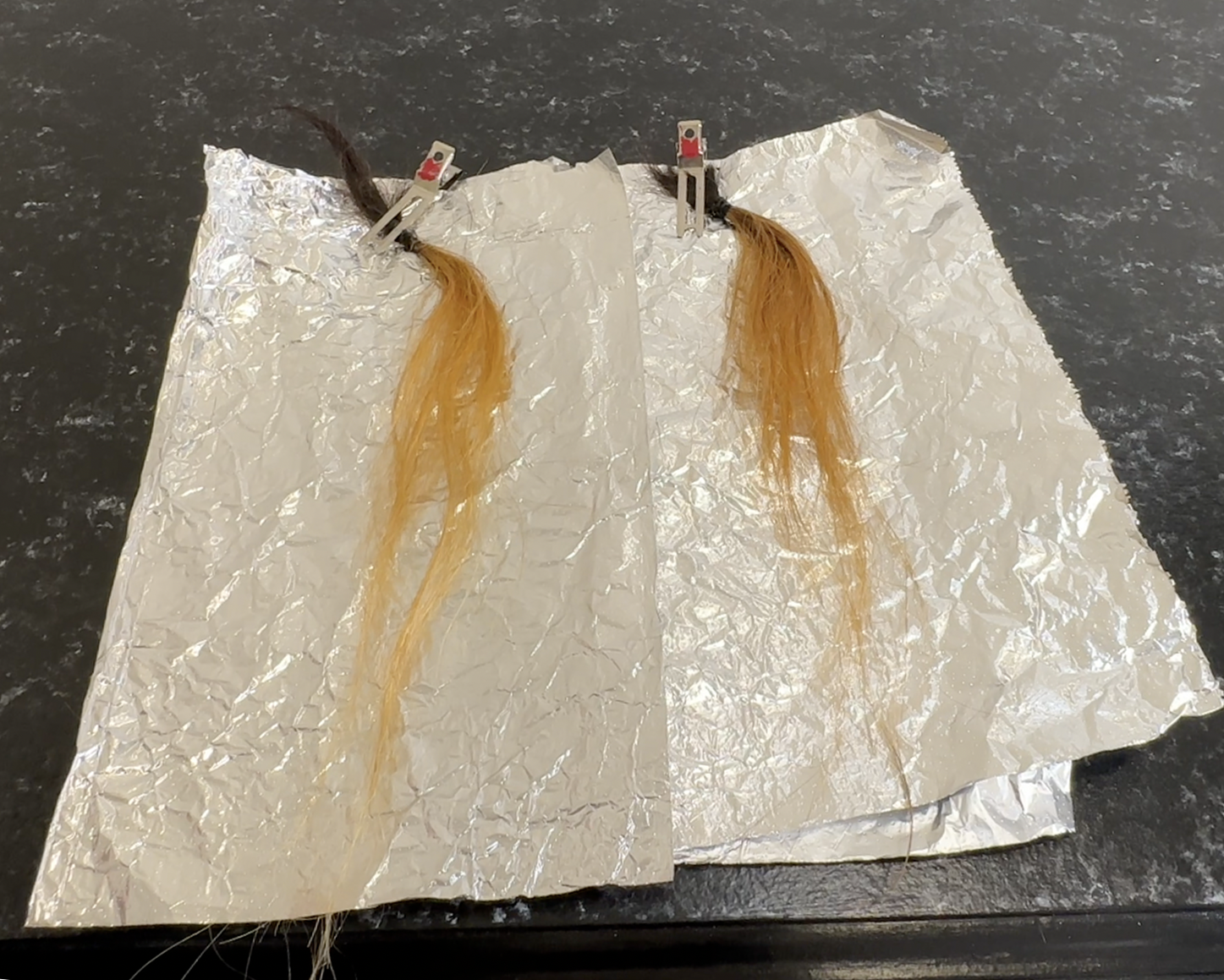
Most of the time when “eyeballing it”, too much developer gets added to the bleach. This noticeably reduces the lightening power. So if your highlights came out beautiful in one session, but the next session they didn’t lighten as well, this is one reason why.
However, if too much bleach powder is used per developer, the product will dry out quickly and stop processing too soon. This also reduces the lightening power.
So if you don’t mix properly, your highlights won’t lighten as they should and may even turn out too brassy.
How to Properly Mix Hair Bleach
When mixing any hair dye, I always suggest following the bleach manufacturer’s directions. Their product is designed to work with a specific developer ratio. If you don’t like the consistency, I suggest trying another bleach rather than messing with the mixing ratio.
Most lines are 1:1, 1:1.5, or 1:2 (bleach: developer).
I suggest using a digital scale to measure your ratio. You can be much more precise with grams than you can with ounces.
2. Not Properly Saturating The Hair With Bleach
The second most common hair bleaching mistake is not properly saturating the hair. And this one is arguably worse than not mixing properly.
This mistake isn’t as common among professionals and is more common with less experienced stylists or DIYers. However, it absolutely does still happen with professionals as well.
So when I refer to “saturating the hair”, I mean how well the hair is coated with the product. It can actually be more difficult to fully saturate the hair than you may initially think. The hair may look fully saturated, but when you get done, you discover that you’ve missed spots or your highlights are blotchy.
What Happens When Hair Isn’t Properly Saturated With Bleach?
There are two main issues that happen when the hair isn’t properly saturated with color. The first is somewhat obvious, and that’s that there are missed or blotchy spots in the hair. This is most common with thick hair or if you take too large of slices for your highlights.
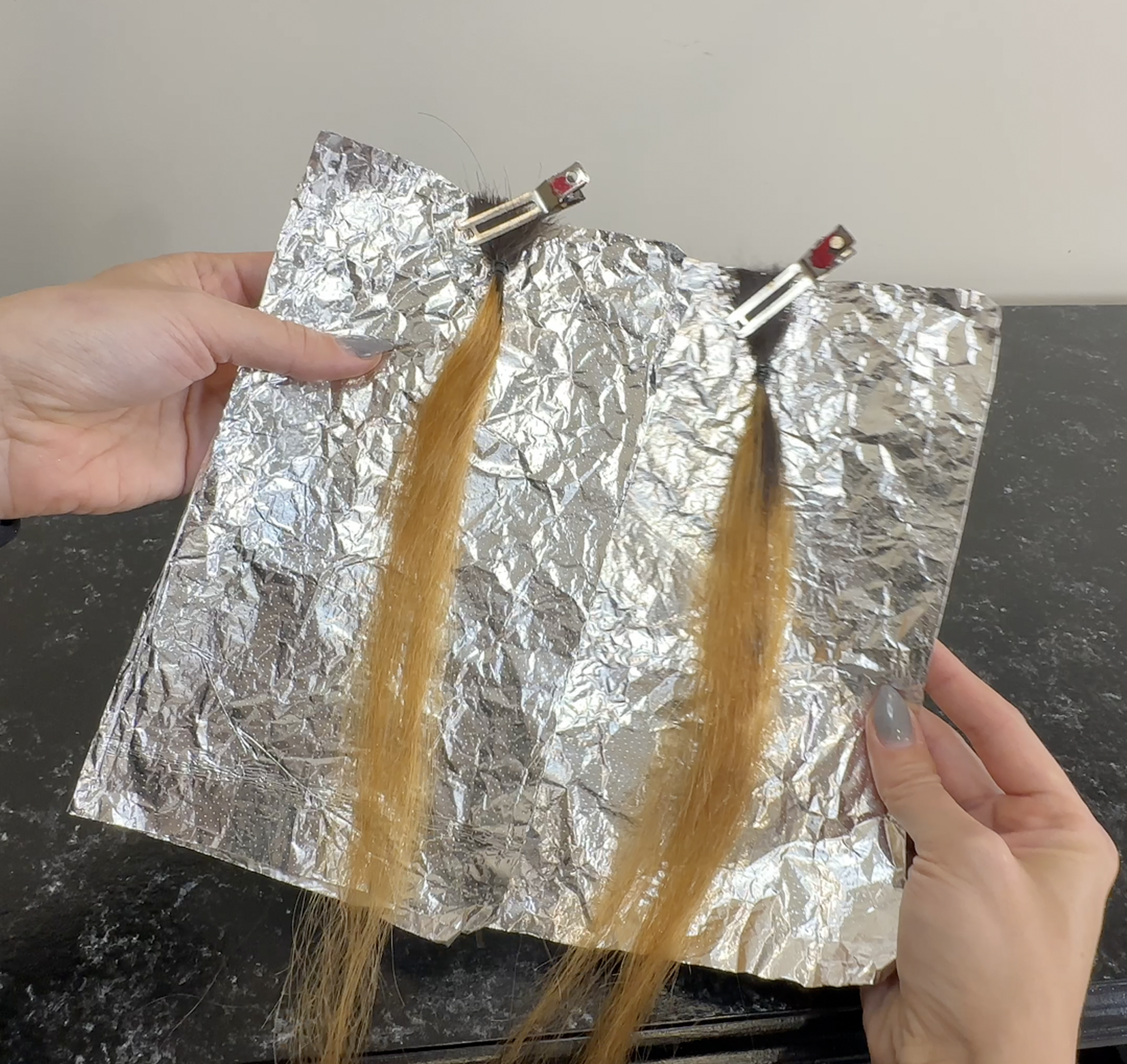
The second is that the hair doesn’t lighten as well. Similar to an improper mixing ratio, not saturating the hair enough will reduce the lightening power of the bleach. This usually happens because the product essentially dries out before fully penetrating the cortex enough to lighten the hair.
So if the hair isn’t fully saturated, not only can you wind up with patchy highlights, but they may not be light enough either.
How to Properly Saturate Hair When Highlighting
My best tip for fully saturating the hair with bleach is to paint the underside of the hair before you lay it on the foil. If you’re doing a touch-up, you can paint the foil instead of the hair if it’s easier for you. Not only does this ensure that the backside of the foil is fully saturated, but the hair and foil stay in place better with less slipping.
Additionally, you really need to use a good amount of product. You should not skimp, because your results will be hindered. Especially if the hair is thick or you’re taking large sections. I really glob it on there.
Frequently Asked Questions
Below are answers to some of the most common questions about hair bleaching mistakes. Including why bleach may not lighten hair as expected, how the bleach-to-developer ratio affects the results, and what you can do to get more consistent results when highlighting.
Can using too much developer make bleach less effective?
Absolutely! This is one of the most common mistakes I see made by both professional stylists as well as DIYers. You should always mix your bleach to developer according to the manufacturer’s recommendations for best results.
What happens if you don’t use enough bleach when highlighting?
If you don’t saturate the hair with enough bleach, not only can this cause splotchy marks in the hair, but the product will dry out before properly lightening the hair. This produces a brassier blonde. Always be sure to fully saturate the hair when highlighting, especially if the hair is thick and coarse.
Does adding more developer to bleach make it weaker?
Yes! A common practice among stylists is to bump up the developer volume as you move along the head. This ensures the first highlights are done processing at the same time as the last highlights. While this is a great practice, you should do this in a new bowl of bleach, or add more bleach to your bowl as well. Don’t just add a higher developer into your current bowl of bleach.
Even if the developer volume is higher, the product will still be diluted if more bleach is not added as well!
How do you know if hair is properly saturated with bleach?
This is a great question! The best way is to paint the underside of the hair with bleach first, then lay it on the foil, and glob a good amount of bleach on top to paint into the hair.
Unfortunately, there isn’t really a trick to be able to ensure that the hair has been fully saturated. Just make sure that you’ve not skimped on product and put a solid amount in the foil.
Can improper bleach mixing cause uneven highlights?
Absolutely! Especially if you’ve used multiple bowls of bleach and “eyeballed” each bowl, your head of highlights can be all over the place, with some that processed well and others that did not lighten as they should have.
Why aren’t my highlights lifting as light as they should?
The first question to ask is: Did you properly mix your bleach to developer according to the directions on the bleach? If not, that is likely why.
Next, ask: Did I fully saturate the hair with bleach?
Sometimes, even if you did both of these steps accurately, you may need to apply more product to your highlights as time progresses. This is not uncommon, and I actually go through each and every foil once I finish applying them to check the processing to see if they either need more product, or if I need to pull any foils out because they’re done. You can watch me do this step on a client in this tutorial.
How to Avoid Uneven or Inconsistent Highlighting Results
Getting beautiful, consistent highlights starts with two things: properly mixing your bleach and thoroughly saturating the hair.
Always follow the manufacturer’s recommended bleach-to-developer ratio rather than eyeballing your measurements or adjusting the consistency yourself. When applying bleach, make sure every section is fully coated with enough product to keep it from drying out before it’s finished processing.
Both of these mistakes can reduce the lightening power of your bleach. This leaves you with highlights that are darker, brassier, or more uneven than expected. If you’ve ever had one highlighting session turn out beautifully and the next leave you disappointed, these two things are worth checking. Paying attention to your mixing ratios and application technique can make a significant difference in getting more predictable, consistent results.
If you have any other questions about issues you’ve faced with highlights or bleaching, leave it for me in the comments. And make sure to subscribe if you want to make every day a good hair day!
share item

