
How to Make Fine or Thin Hair Look Thicker
If you have fine or thin hair, then you know that getting it to look full and voluminous can be a struggle. It can be hard to create body, keep it from falling flat, or make the ends look thick and healthy. So in this post, I’m covering the best haircut options for fine and thin hair, a simple routine to make it look fuller, and the best lightweight products for volume and body.
As a hairstylist, fine and thin hair is an issue I’ve worked with many clients on over the years, and it’s also something I understand personally because I have fine hair myself. I know how frustrating it can be when your hair falls flat or starts to look thin on the ends. So I’ve learned which cuts, products, and styling habits will actually help fine and thin hair look thicker, and which ones to avoid.
Fine Hair vs Thin Hair: What’s the Difference?
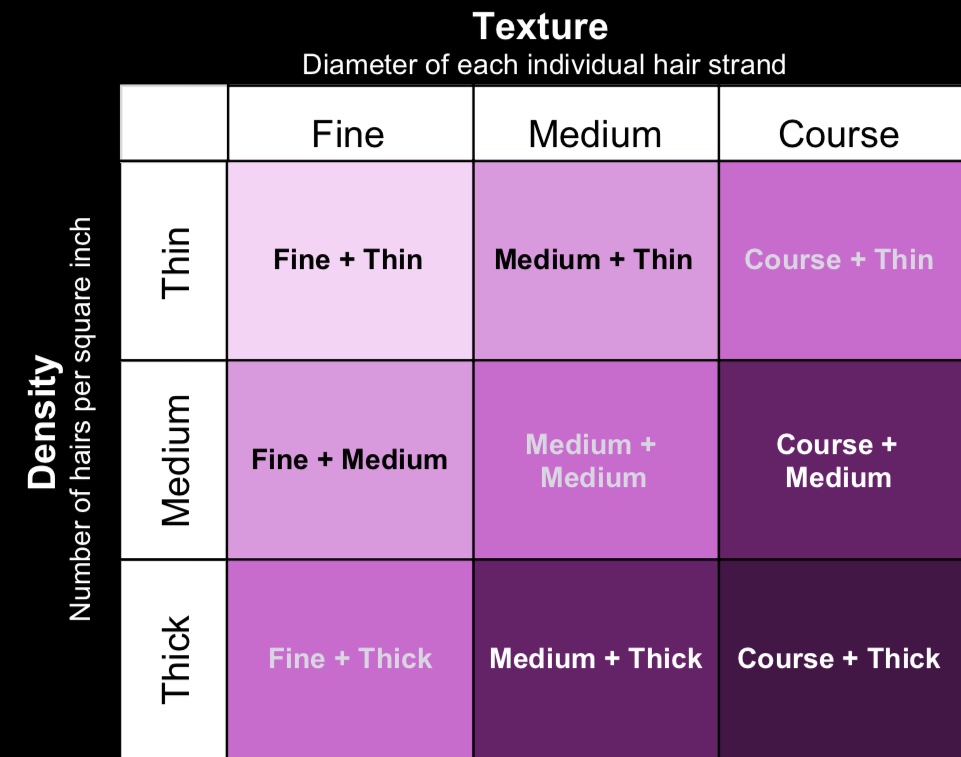
It’s easy to get fine and thin hair mixed up. But in reality, they’re two different categories of hair types. You can have fine and thin hair, fine and thick hair, or thin and coarse hair. So let’s first figure out what you have:
Fine Hair: “Fine” is referring to the diameter of each hair strand. This is your “Hair Texture”, which can be fine, medium, or coarse. Your hair is fine if, when you rub one strand between your index finger and thumb, you don’t feel anything. If you do feel something, your hair is likely medium. And if you can really feel it, then it’s actually coarse.
Thin Hair: “Thin” refers to the number of hairs you have per square inch. This is your “Hair Density”, and it can be thin, medium, or thick. You can determine your density by putting your hair into a ponytail and measuring the circumference of the ponytail. If your hair is thin, the ponytail will measure 2″ or less. It’s considered thick if it measures 4″ or more.
Learn more about the anatomy of your hair. Understanding the anatomy will help you to understand how and why your hair reacts the way it does to color and styling.
Highlights Can Add Dimension and Body
One big tip that I’ve learned from being a hairstylist for 18 years is that highlights will add dimension and body to flat hair. I’ve found the best results with bleach highlights or even a quick soap cap, as opposed to traditional hair color.
I’ve had multiple clients who went fully gray come in for highlights that were essentially invisible to the eye because their hair was already white, but they loved the way the highlights made their hair feel because it allowed them to get more volume.
This happens because the bleach roughs up the cuticle a little, not necessarily causing a lot of damage, but opening up the cuticle. The hair is then able to climb onto the other hairs surrounding it, which creates body that holds the hair up.
Additionally, if your hair is not solid white, highlights create visual depth, making the hair appear to have more movement.
Best Haircuts for Fine or Thin Hair
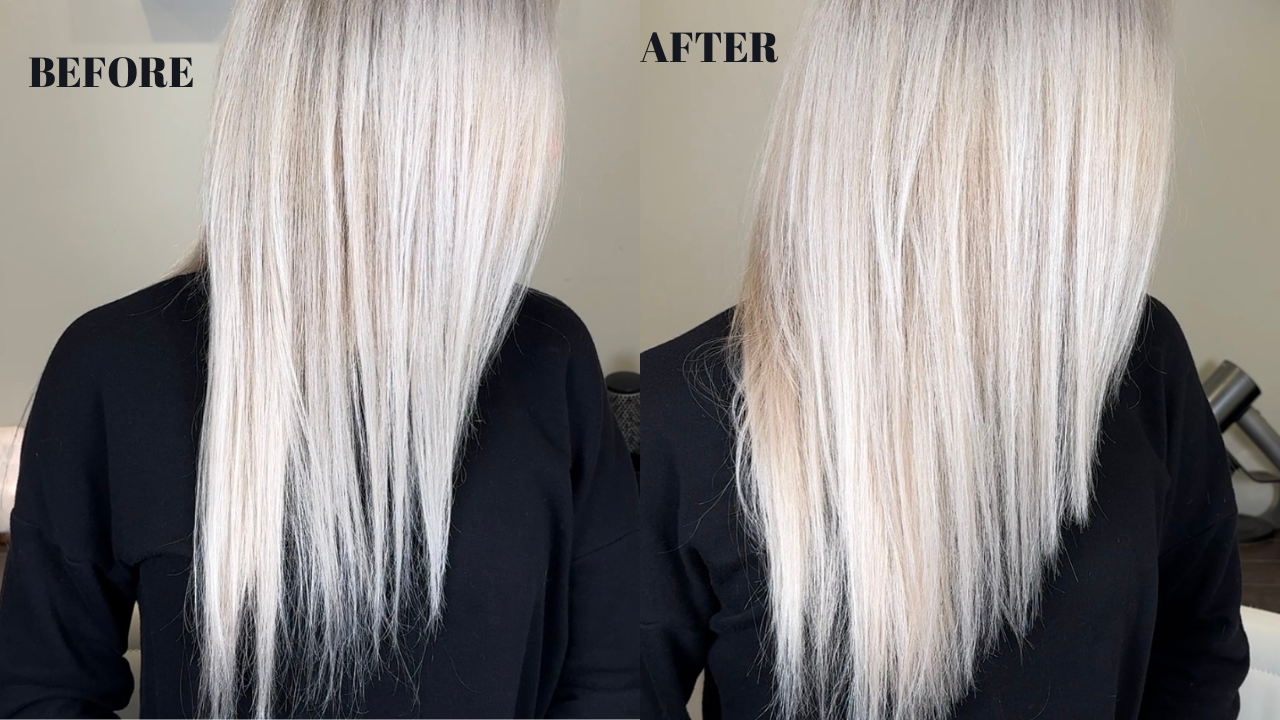
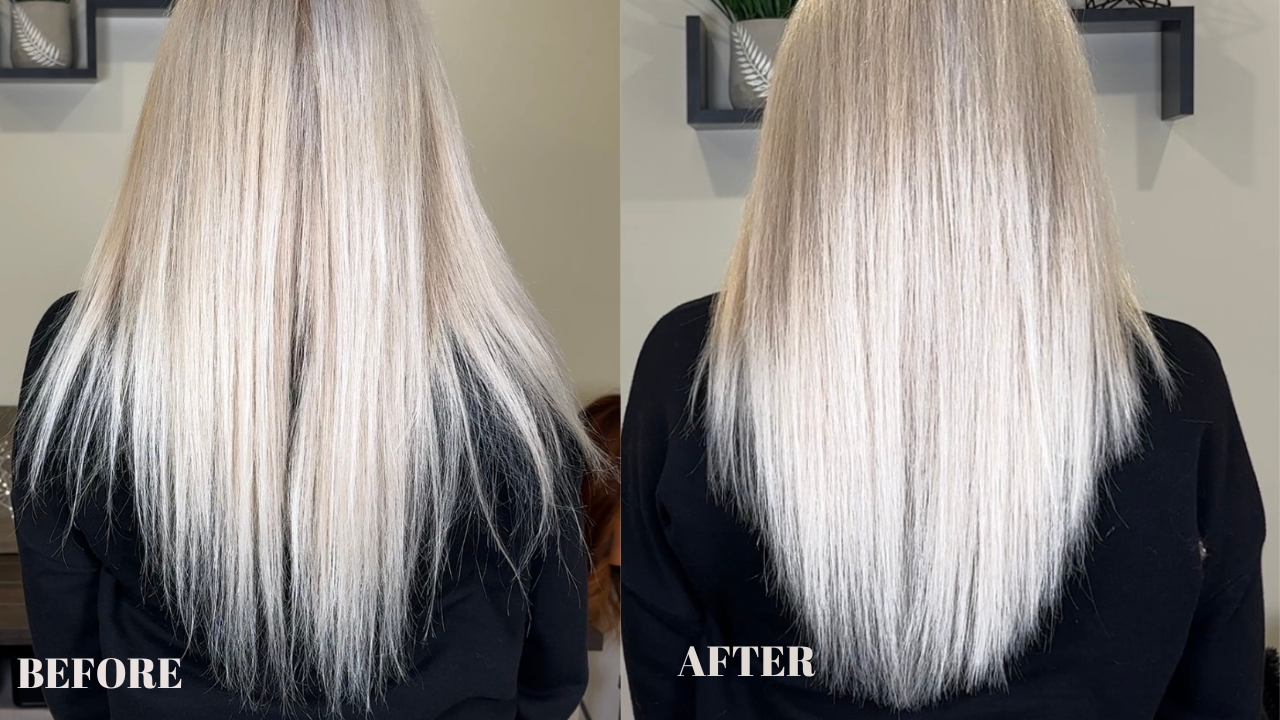
Haircuts are a secret weapon to making fine or thin hair look thicker, even if you’re just removing the ends like I did in the image above.
And when it comes to haircuts that work best for fine and thin hair, your goal should be to maximize volume, body, and thickness. So below, we’ll walk through how to determine what cuts will work for your hair based on your texture and density, and whether it’s best kept long, short, or layered below.
***Since I’m sharing the products that I love to use with you guys, this page includes affiliate links to these products. If you take action and purchase a product through clicking one of my links, I’ll make some commission money from it at no extra cost to you. This enables me to be able to continue giving you awesome hair tips, so thanks! ***
Should Fine and Thin Hair be Kept Short or Long?
Your density will typically determine the best length for your hair, while the texture doesn’t affect length as much.
Thin Hair: Thin hair does better with medium and short cuts than it does with longer cuts. This is because the longer the hair gets, the thinner it will appear, especially at the ends. The hair can also become weighed down when it’s long, which can cause it to lie flat on your head.
Fine Hair: On the contrary, if you have fine hair and it’s medium to thick, then you can generally wear it longer without the ends appearing too thin.
Should Fine or Thin Hair be Layered?
Now lets discuss layering. We’ll be talking about exterior layers (traditional layers) and interior layers (texturizing). Learn the difference between exterior and interior layers here.
The length you choose will play a big factor in how much your hair can be layered without the ends appearing too thin/straggly.
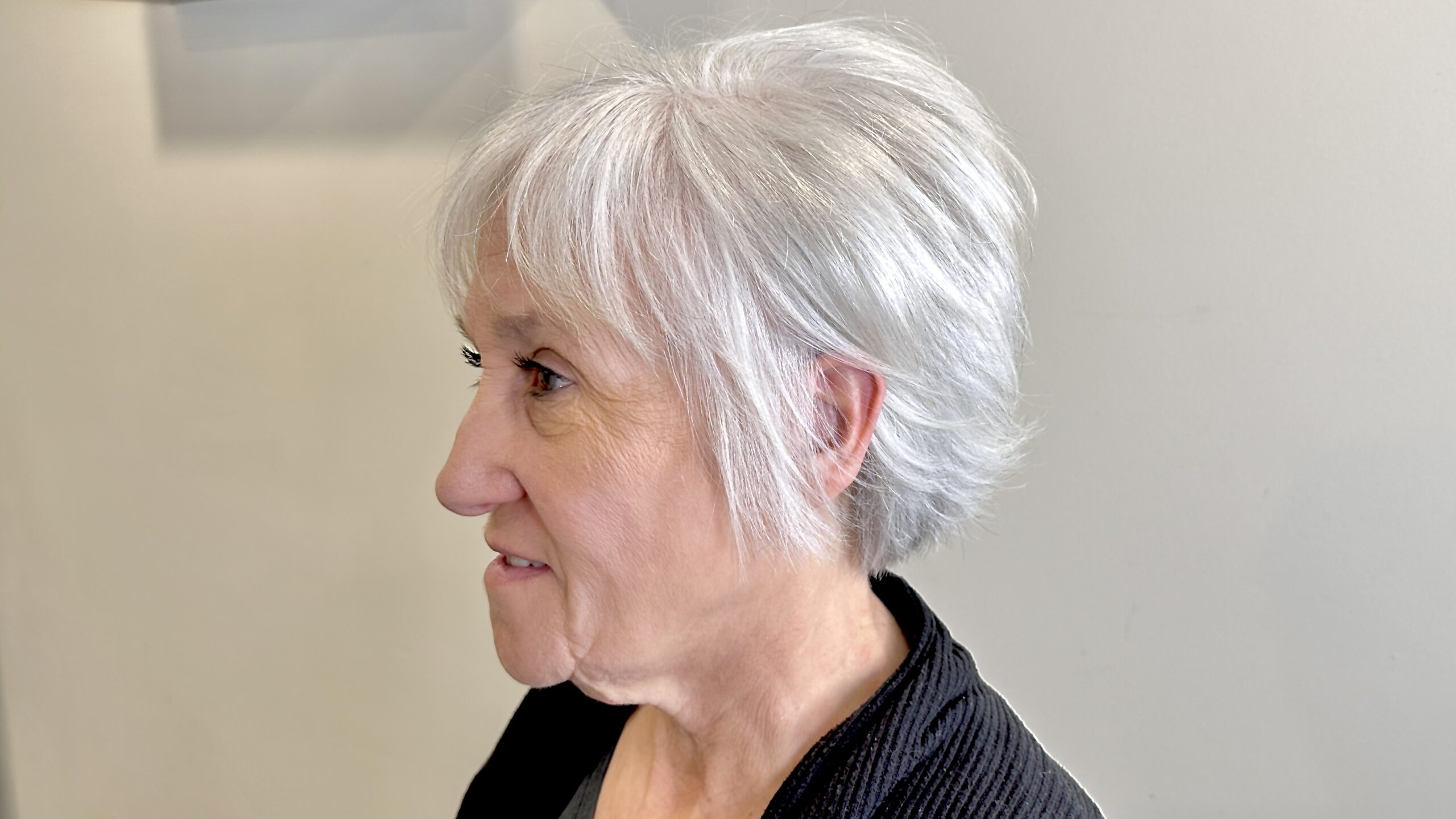
Exterior Layers: If your hair is longer than shoulder length, exterior layers should be kept to a minimum for fine or thin hair. The more layers, the more straggly the ends will appear.
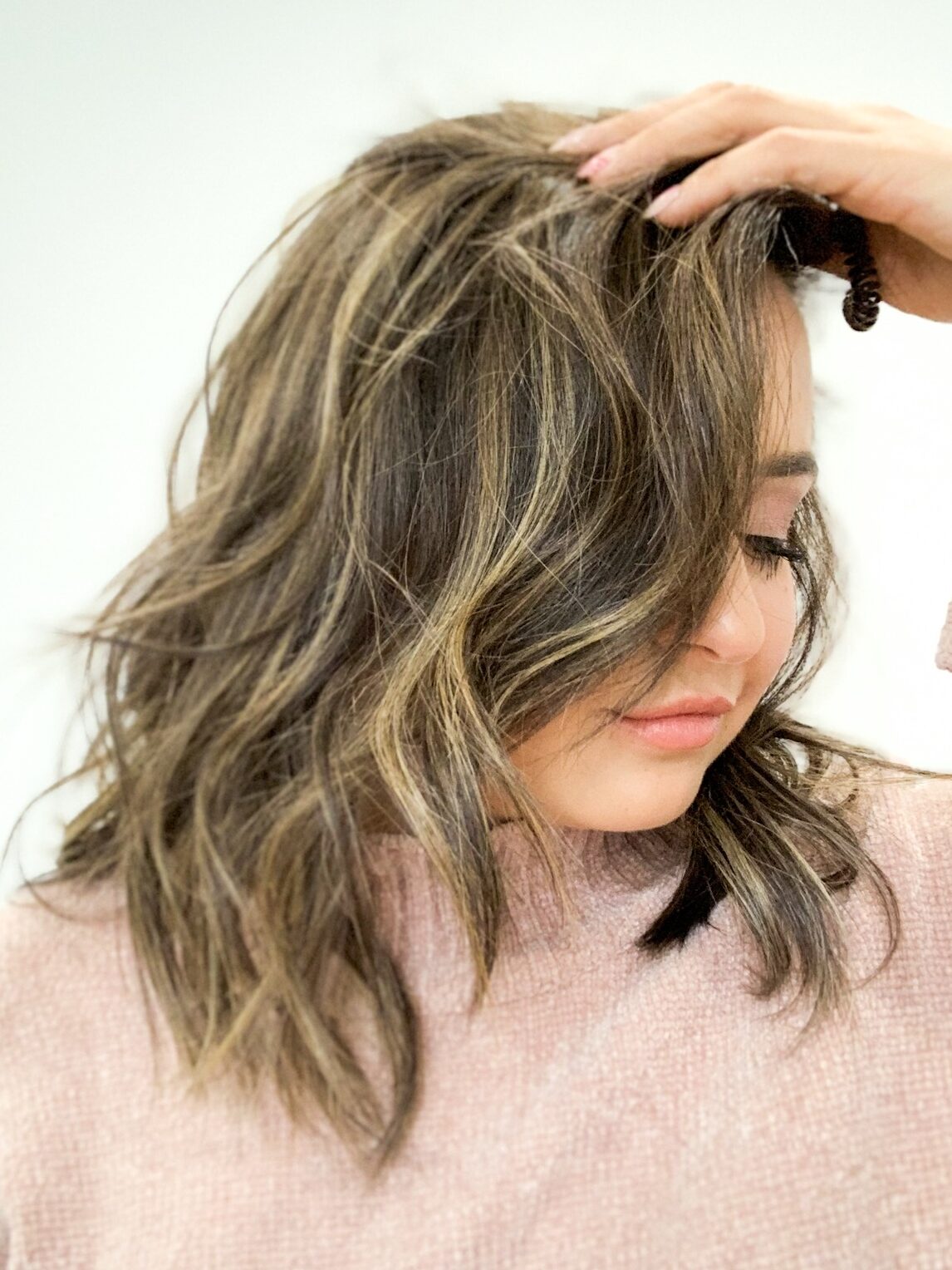
However, if the length is shorter (like a bob or mid-length cut), then layers can help achieve body and movement without thinning the ends out too much. In fact, fine hair can get some killer volume when it’s layered (see the images above and below).
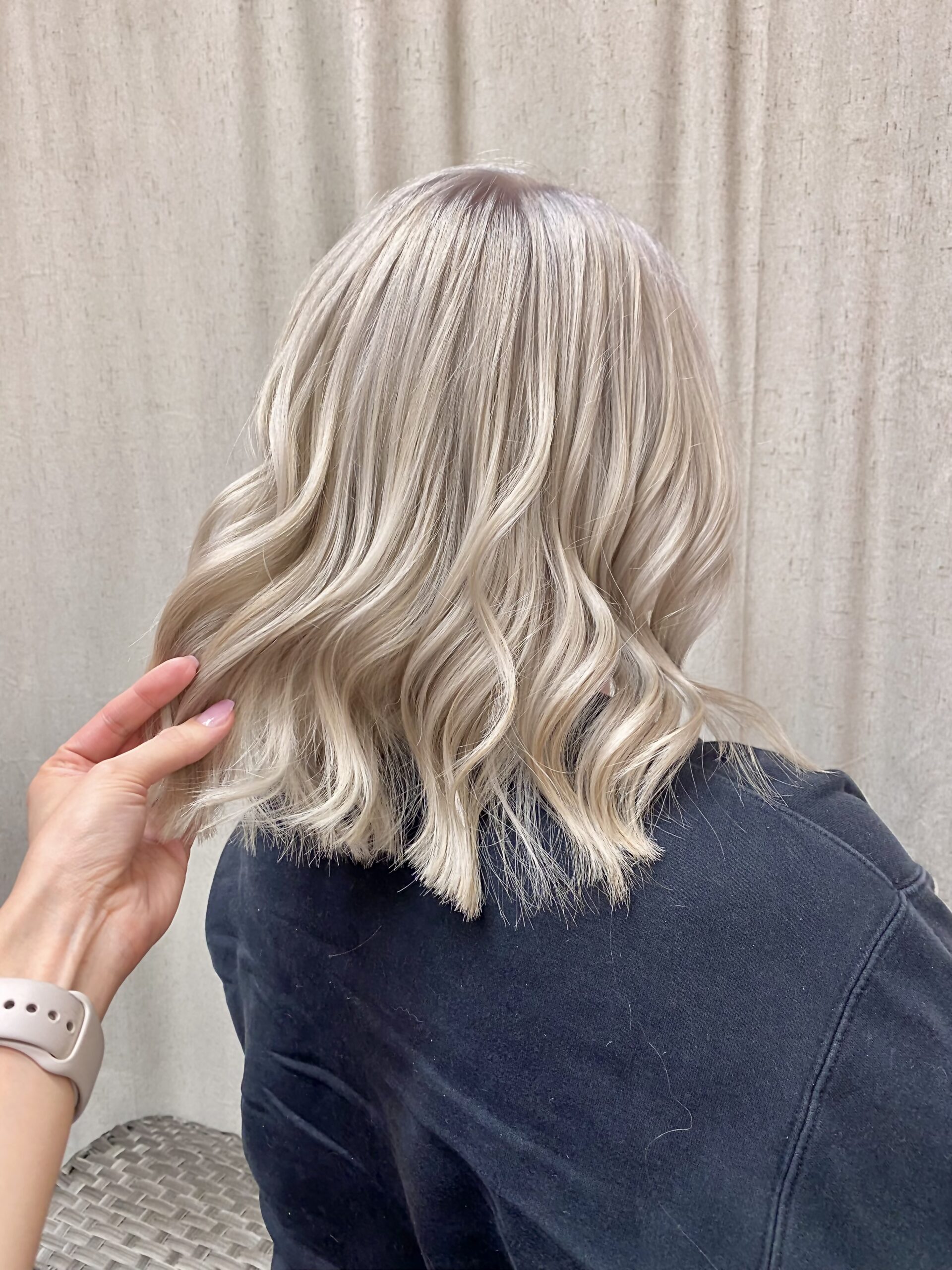
Interior Layers: Texturizing can also help achieve volume by removing weight from the ends, even if you want to keep a “blunt”, “one length”, or “non-layered” cut (see the image below).
However, texturizing should be done sparingly on thin hair, as the ends can become too thin very quickly.
Best Styling Routine for Fine or Thin Hair
Styling fine and thin hair doesn’t have to be a struggle if you arm yourself with the proper haircare routine and products!
Step 1: The Wash – Start with a volumizing, thickening, or clarifying shampoo and conditioner. Focus the shampoo on your roots, and conditioner sparingly on your ends.
Step 2: Leave-Ins – For fine hair, a blow-dry spray will protect your hair from heat, detangle, and increase body. If you have thin hair, a thickening spray will drastically help your hair feel fuller/thicker. And for volume at your roots, use a mousse and apply it to the root only to avoid weighing the hair down from too much product.
Step 3: Drying – After applying the product to wet hair, blow-dry with a boar bristle round brush. Boar is gentle enough for fragile hair types, and blow drying will promote volume and fullness while reducing frizz. Alternatively, if you don’t want to blow-dry, you can use a sea-salt texturizing spray to create that messy, beachy look.
Step 4: Iron (Optional) – For maximum body, use an iron to add waves or curls for volume and fullness. I like to brush these out afterwards so they aren’t too tight but still give the hair plenty of movement. If you go this route, use a thermal protectant before ironing to protect your hair from heat. Bonus points if you use one with hold so your waves last. Fine and thin hair can also become damaged more easily, so keep the heat below 370 degrees.
Step 5: Hold & Extend – After ironing, I recommend using dry shampoo on your roots from day 1. This will stop the hair from getting too oily to begin with, as well as add some fullness. You can also use a dry texturizing spray all over to give some matte texture, or a hairspray to hold the style in place.
For each day between washing (1-3 days recommended), repeat step 5 with some minimal iron touch-ups if necessary.
My favorite products for fine and thin hair
- Pureology Pure Volume Shampoo and Conditioner
- Tea Tree Lemon Sage Thickening Shampoo and Conditioner
- Olaplex No. 4C Bond Maintenance Clarifying Shampoo
- Kenra Platinum Blow-Dry Spray
- Kenra Thermal Hold Hot Spray
- AQUAGE Thickening Spraygel
- AQUAGE Uplifting Foam
- AQUAGE Beyond Shine Thermal Spray
- Aquage Sea Salt Texturizing Spray
- Amika Perk Up Dry Shampoo
- Amika Un.Done Volume & Matte Texture Spray
- Kenra Professional Volume Spray
- Boar Bristle Round Brush
Mistakes That Make Fine Hair Fall Flat
Now let’s discuss some habits that can cause your fine or thin hair to lie flat and lifeless.
- Silkening hair products: Most products designed to reduce frizz can quickly weigh down fine or thin hair. If you struggle with frizz, make sure any moisturizing products that you use are labeled “lightweight” for fine and thin hair types.
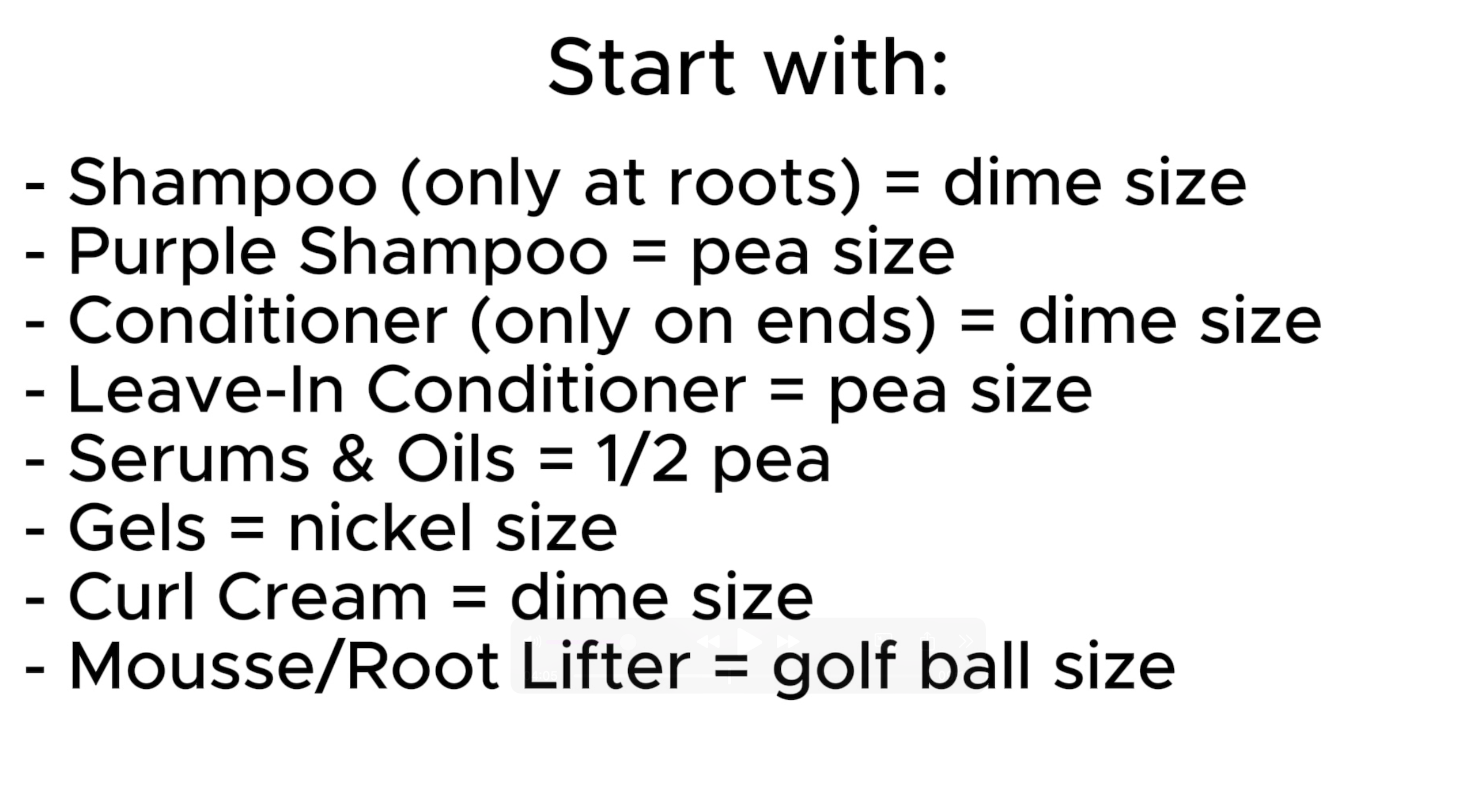
- Using too much product: Most people use way too much product, especially for fine or thin hair. It’s better to start very light and add more as needed. For shampoo and conditioner, start with a dime-sized amount and add water to emulsify before adding more shampoo. For leave-in products, start with a pea-sized amount, and a golf ball size for mousse.
- Going too long without washing: The oilier your hair is, the more it’s going to separate and weigh down. And when you don’t have as much hair to absorb oil, it can get greasy quickly. Ideally, you’ll want to wash your hair every 1-3 days if you have fine or thin hair.
- Air drying: While it’s understandable to not want to blow-dry and style your hair every day, air drying fine or thin hair will increase your chances of it falling flat. A good cut and the right products can help, but you’ll usually have better hair days when you blow it dry.
- Using too high heat: Fine and thin hair is typically more fragile than other hair types, so it can become brittle quickly from heat tools. Blow-drying the hair with a boar brush is indirect heat, so it’s less damaging than using a blowout brush or ironing it. Always use a thermal protectant and use the lowest setting possible. 340 degrees is usually the highest temp you need for fine/thin hair.
When should thin hair be checked by a dermatologist?
If your hair hasn’t been thin your entire life and you’ve recently been experiencing some new shedding, then it’d be a good idea to visit your dermatologist. Hair loss can be triggered by many different causes. It’s our body’s alarm system that something more serious may be going on.
What’s causing your hair to shed will determine what steps you’ll take to stop the thinning and work with your dermatologist for solutions. The sooner you get to the bottom of it, the better.
In the meantime, check out my blog post on hair loss to learn more about how it works and solutions you can try from home.
Conclusion
Fine or thin hair usually looks best when the haircut, styling routine, and products all work together to create body and thickness without weighing it down. In most cases, that means keeping the ends looking healthy, using lightweight volumizing products, and avoiding habits that make the hair feel flat.
Quick Recap:
- Medium to shorter cuts usually create the fullest look
- Thin hair should usually be only lightly layered, especially when worn long
- Fine hair can be layered heavily if the density is medium-thick
- Lightweight volumizing products work better than heavy moisturizing ones
- Blow-drying usually gives better body and longevity than air-drying
- Dry shampoo, texture spray, and root lift can help hair stay fuller for longer
If you have any further questions for me on this topic, be sure to leave them for me in the comments! And as always, Have A Good Hair Day!
share item


Comments