
Why Your Scalp Hurts When Your Hair Is Dirty (+ Solutions)
If your scalp hurts when your hair is dirty, you’re definitely not alone. People usually describe it as tender roots, a sore scalp, or even a “bruised” feeling when you move your part, brush your hair, or put it in a ponytail. So in this post, I’m breaking down the three most common reasons your scalp hurts when your hair is dirty, including: yeast overgrowth, product buildup or irritation, and tension from tight hairstyles or never switching your part. I’ll also explain how to tell which one is your issue, and what to do so you can stop dealing with scalp pain when your hair is oily.
As someone with naturally oily hair and skin, a sore scalp with dirty hair is something I’ve dealt with personally, and at some points in my life, regularly. I’ve combined my personal experience, my expertise as a hairstylist, and tips from my dermatologist for the best solutions to reduce pain on your scalp when your hair is dirty.
***Since I’m sharing the products that I love to use with you guys, this page includes affiliate links to these products. If you take action and purchase a product through clicking one of my links, I’ll make some commission money from it at no extra cost to you. This enables me to be able to continue giving you awesome hair tips, so thanks! ***
1. Yeast/Fungus Overgrowth
One of the most common causes of scalp pain with dirty hair is from yeast overgrowth. An oily scalp is a breeding ground for malassezia, the yeast (which is a type of fungus) that causes dandruff (seborrheic dermatitis).
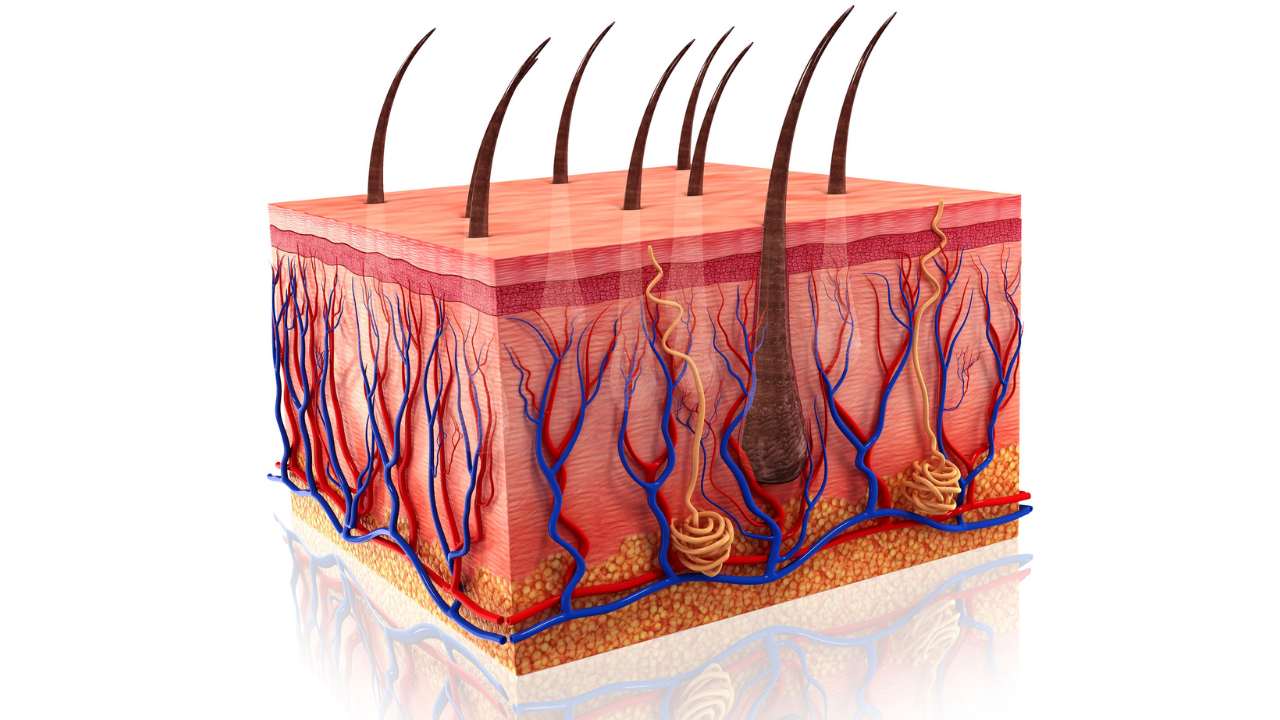
Since oil can feed fungus, it’s natural that when oil is left on your scalp for a prolonged period of time, the malassezia on the scalp multiplies. And when this yeast becomes overgrown, it can cause inflammation to your hair follicles, which contain nerve endings. So this inflammation causes a tender, sore scalp when your hair is dirty.
Now, malassezia is normal to be present on the scalp, and you don’t want to eliminate it entirely. This is why scalp health is more about balance, rather than trying to strip everything away. You just need to make sure that you’re keeping that balance under control.
Yeast overgrowth is also slightly more common for people with medium to thin hair. This is because hair absorbs oil. So if you have a lot of hair, there’s usually less oil accumulation on the scalp. But this is not to say that you can’t have this issue with thick hair.
Additionally, many people confuse dry scalp with dandruff, and treating dandruff like dry scalp can actually make the irritation worse. So if you’re seeing flakes and you’re not sure which one you have, read my post on the difference between dry scalp and dandruff first to be sure you’re treating the right condition.
Symptoms that point to scalp yeast overgrowth
- Itchiness that gets worse as your hair gets oilier (often day 2+ after washing)
- Flakes, especially yellow-ish & greasy, “waxy” scales, or large & white
- Redness or irritation on the scalp (often along the hairline or behind the ears)
- Greasy roots & itchy/tender scalp combo (not just oily hair)
- Tenderness/soreness that improves after washing but returns as soon as oil builds back up
- Similar flaking/irritation in other areas (eyebrows, sides of the nose, ears)
- “Tight” or inflamed feeling (sometimes mildly burning) along with itch
How to fix yeast overgrowth on the scalp
- Wash your hair more often (oily hair usually needs to be washed every 1-2 days)
- Use a medicated dandruff shampoo regularly (must include 1 of the following active ingredients: Ketoconazole, Selenium Sulfide, Zinc Pyrithione, or Coal Tar)
- Try topical leave-on medicated products if you have color-treated hair that may fade with medicated shampoos (your dermatologist can also prescribe these)
- Use a topical leave-on Hydrocortisone anti-itch scalp treatment for temporary itch relief
- Blow-dry your hair instead of air drying; this preps the hair shaft to absorb more oil, rather than it accumulating on your scalp
- Spray an Antiperspirant onto usual sweaty areas on your scalp after drying your hair
- Avoid applying oil & conditioner to the scalp; your scalp produces its own oil/natural conditioner
- On non-wash days, brush your scalp to exfoliate it with a boar bristle brush, & guide the natural oil down to your mids/ends
- If you have thick scales that are difficult to remove, use a Salicylic Acid Shampoo
- If it doesn’t improve after several weeks, see a dermatologist (they can prescribe you a higher-concentrated medicated product)
2. Products (Buildup, Harsh Ingredients, Allergies)
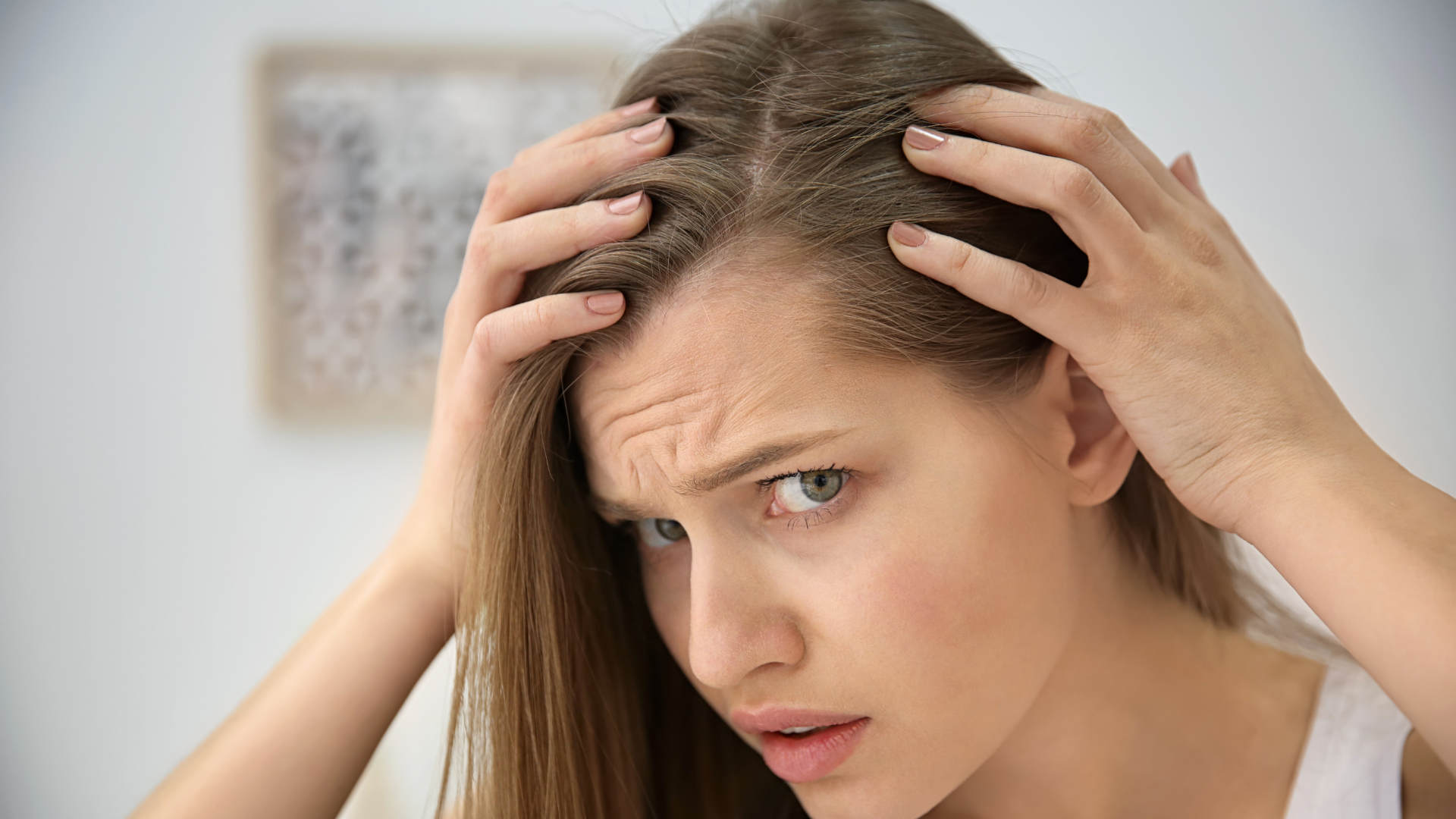
If your hair isn’t necessarily oily and you don’t have the yeast overgrowth symptoms, another issue can be from the products you’re using. Any product (especially when too much is used) can cause buildup on the scalp around hair follicles and cause inflammation as well as scalp tenderness.
This happens often with the overuse of dry shampoo. While dry shampoo is helpful for extending the time between wash days, it can cause problems if you use too much.
Additionally, you may be sensitive or even allergic to specific ingredients in the hair products you’re currently using. Some common irritants are:
- Fragrances/parfums
- Minoxidil (hair loss product active ingredient)
- Essential oils (esp. peppermint, tea tree, lavender, citrus, eucalyptus)
- Preservatives: MI/MCI (methylisothiazolinone/methylchloroisothiazolinone), formaldehyde-releasers (DMDM hydantoin, diazolidinyl urea, imidazolidinyl urea, quaternium-15), and sometimes phenoxyethanol
- Certain cleansers: SLS/SLES (sodium lauryl/laureth sulfate), olefin sulfonate, cocamidopropyl betaine (this one is a very common allergy culprit even though it’s “gentler”)
- Hair dye chemicals: PPD (p-phenylenediamine), related dyes (PTD), and ammonia/MEA, bleach/peroxide
- Alcohol-heavy stylers: SD alcohol/denatured alcohol/isopropyl alcohol
- Propylene glycol (common in tonics/leave-ins)
- Acrylics/resins/adhesives in stylers (hair sprays, gels): acrylates, PVP-type ingredients
- Sunscreens in scalp products: oxybenzone and some chemical UV filters
Scalp Pain Symptoms That Point to Products
- Your hair/skin is not oily
- Scalp stings after using the product
- Pain is worse when you layer dry shampoo for 3+ days
- Hair & scalp feel coated/waxy between your fingers
- Tenderness improves after a thorough clarifying shampoo
- Symptoms started soon after using a new product
How to Fix Scalp Pain From Product Buildup or Irritation
- Start with a clarifying shampoo to remove buildup
- Use less product per application (especially leave-ins)
- Use dry shampoo less often; you may need to wash your hair more frequently instead
- Keep conditioner, oils, & leave-ins off of your scalp (apply to mids-ends only)
- If it doesn’t improve, think irritation/allergy, not just buildup. Try a 2-week product reset by removing/reducing irritants, and consider dermatology patch testing if it keeps happening
3. Tension (Tight Ponytails, Never Switching Part)
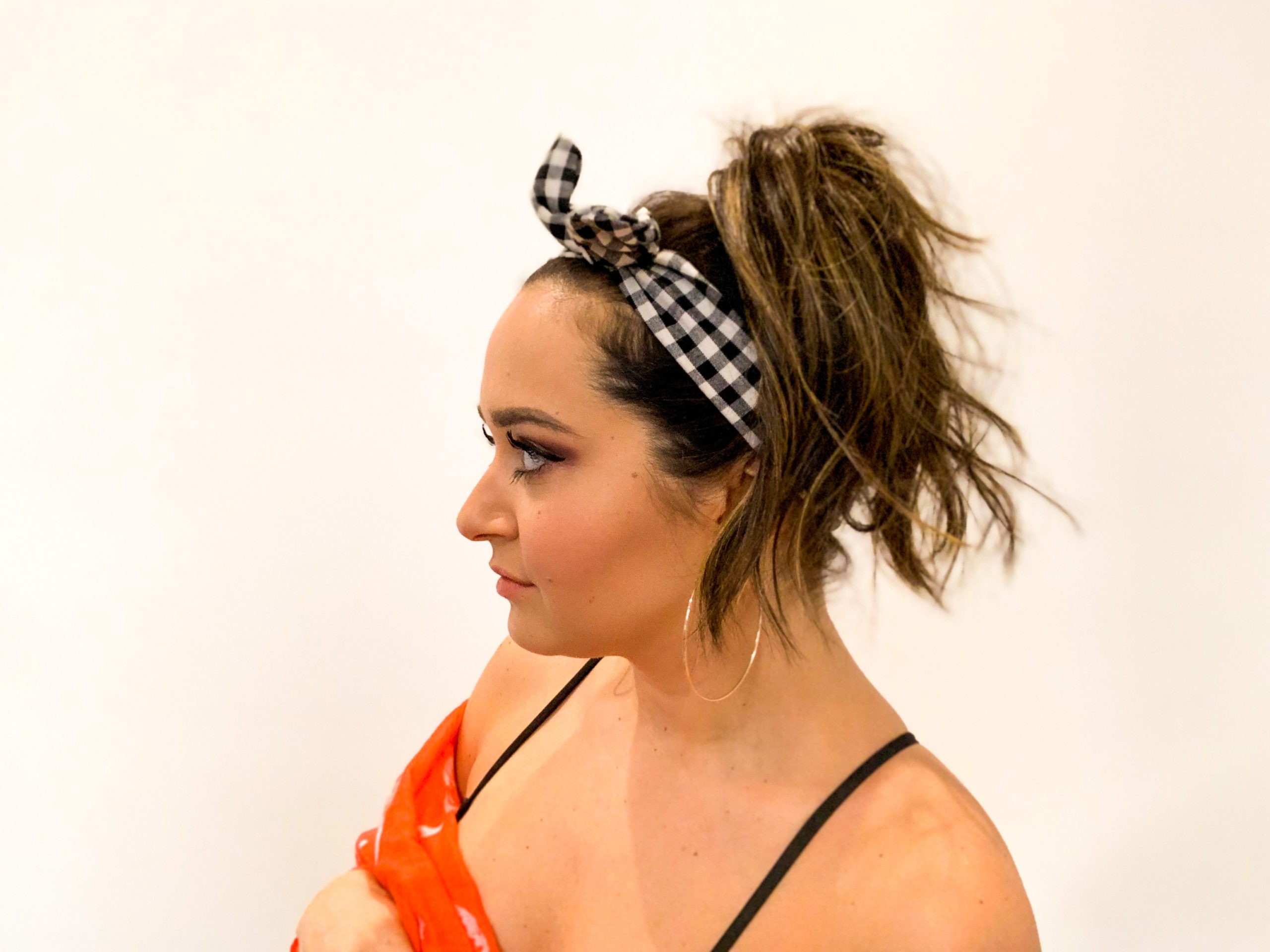
Another extremely common cause for scalp/hair root pain is hair tension. When we wear tight hairstyles (think high or tight ponytails, formal upstyles, tight accessories), we’re putting tension on the hair follicles that can cause irritation and inflammation to the nerve endings.
This can actually lead to hair loss (traction alopecia) over time. So the pain that you’re feeling currently is a warning sign that you’re putting too much stress on those hair follicles.
This is also common if you wear your hair parted the same way for a prolonged period of time. And on dirty hair days, it can feel even worse because the hair tends to clump and sit heavier, which can increase that pulling sensation at the roots.
Symptoms That Point to Tension Tenderness
- Your hair/skin is not oily
- You wear tight hairstyles
- The pain is where your ponytail/headband/part sits
- Your scalp feels sore after wearing your hair up
- You get relief when you wear your hair down
- Tenderness is worse when you change your part
- Pain repeats in the same spots, only when wearing hair up
How to Fix Scalp/Root Pain From Tension
- Loosen your hairstyles; aim for secure, not tight
- Wear your hair down more often. On tender days, give the follicles a break
- Switch your part regularly to avoid constant stress in one spot
- Opt for a low ponytail or switch to a loose braid
- Use silk/satin scrunchies and avoid tight headbands
- Don’t sleep in tight styles. Opt for a very loose braid or a loose scrunchie
- Don’t use a large bath towel as a turban when your hair is wet. Use a smaller towel, microfiber hair wrap, or don’t wrap your hair at all
- Be extra gentle on dirty hair days, oily hair clumps more, so tight styles pull harder
- Watch for traction alopecia signs: thinning at the hairline/temples, broken hairs around the edges, or persistent soreness in the same spots. Stop tension styles and consider seeing a dermatologist
When to See a Dermatologist for Scalp Pain (Red Flags)
If you have any of the following symptoms, it’s time to check in with your dermatologist.
- Severe burning pain, spreading redness/swelling
- Oozing/crusting, bleeding, or lots of pustules
- Patchy hair loss or thick scaly plaques
- Symptoms lasting over 4 weeks despite changes
Sore Scalp FAQs
- Why does my scalp hurt when I move my hair? Moving your hair can tug on already irritated hair follicles. On dirty hair days, oil and buildup can make hair clump, so shifting your part or brushing can feel more painful than normal.
- Can cold weather make dirty-hair scalp pain worse? Yes. Winter air and indoor heat can make the scalp more sensitive, so even normal oil/buildup can feel more irritating. If you notice more tenderness in colder months, it’s a sign your scalp barrier is more sensitive.
- Why does my scalp hurt even after I wash it? If the soreness doesn’t improve after washing, it can point to irritation from a product, an inflamed scalp condition, or tension that’s been ongoing (like tight styles). Persistent pain (especially with redness, sores, or bumps) is a good reason to check in with your dermatologist.
- Does hard water cause scalp tenderness? It can. Hard water minerals can leave a film on hair/scalp that makes buildup worse and can contribute to itch/tightness. If your hair feels coated, occasional clarifying (or a shower filter) can help.
Sore Scalp With Dirty Hair: Conclusion
In most cases, a sore scalp on dirty hair days comes down to one of three causes:
- Yeast overgrowth/dandruff (seborrheic dermatitis) is often paired with itchiness, flakes, redness, and symptoms that get worse as your hair gets oilier.
- Product buildup or irritation, especially from overusing dry shampoo, using too many leave-ins at the root, or reacting to common irritants like fragrances, preservatives, or cleansers.
- Tension from tight ponytails, upstyles, tight accessories, or never switching your part can inflame hair follicles and lead to a sore scalp (and even traction alopecia over time).
If you’re trying to figure out why your scalp hurts when your hair is dirty, use your symptoms as your guide. Once you know the category, you can pick the right solution, whether that’s a medicated dandruff shampoo, a clarifying shampoo, a simpler product routine, or loosening styles and giving your hair follicles a break.
You do not have to live with scalp pain when your hair is oily. Figure out the cause, use the solutions that match it, and you’ll usually see a noticeable improvement within a few washes (or a few weeks for stubborn cases). If symptoms are severe or not improving after several weeks (especially with intense redness, sores, or persistent tender bumps), then it’s time to call your dermatologist for stronger options.
Leave me any questions you have in the comment section, and be sure to subscribe below if you want to make every day a good hair day!
share item

